Trade show entertainment has one job: give people a reason to stop at your stand, then hand them to your team while they are still paying attention. The usual options are a roving act working the aisle, a host running timed presentations, a hosted game show on a stage, or a format built around your brand.
Action Entertainment is Sydney's entertainment agency since 2003. We book all of those from one enquiry, so you can compare formats for your stand, your launch or the whole exhibition program and deal with one contact.
Trade show entertainment ideas for your stand
Pick the one that suits your space and the organiser's rules, and we shortlist acts against it.
- A roving act in the aisle. A performer working the walkway slows people down before they reach your stand. Roving acts move table to table and group to group, which suits a floor where visitors drift rather than sit.
- A host on a small stage. A host running short, timed presentations gives your team fixed moments to draw a crowd and tells visitors when to come back. Put the times on a sign at the stand.
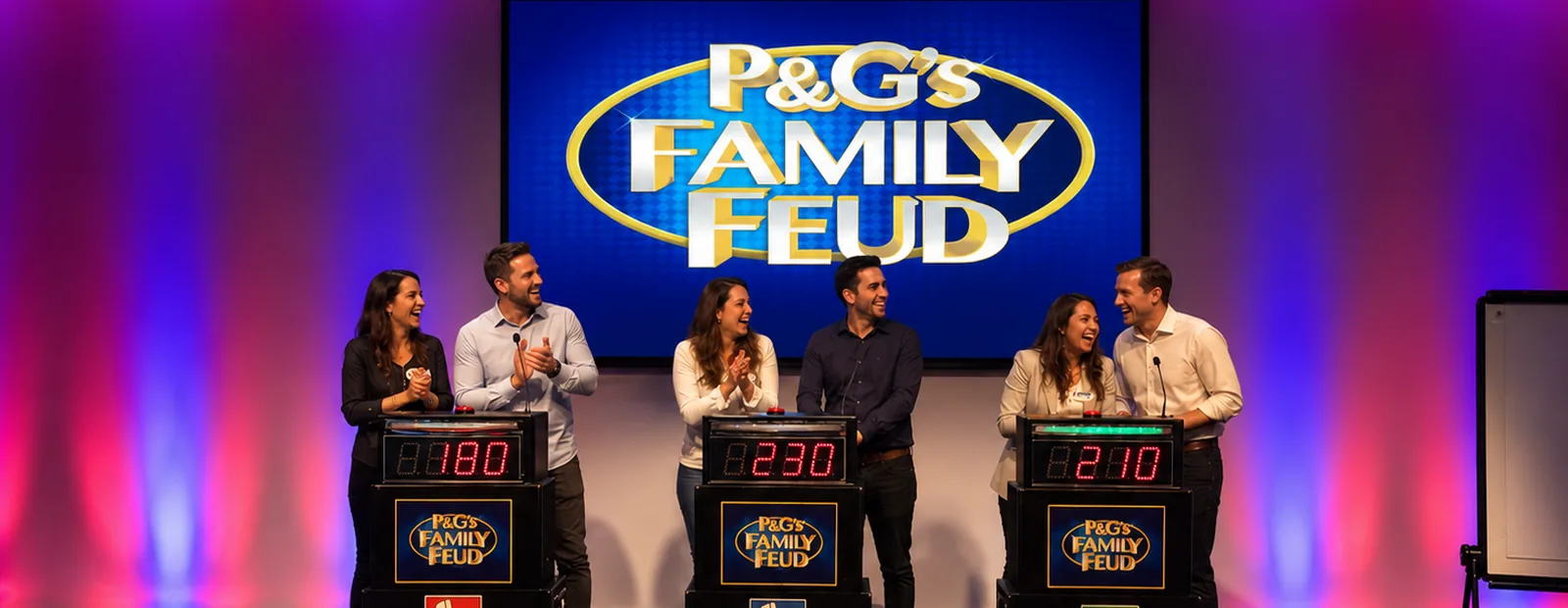
- A hosted game show. It splits a group into teams and gets everyone competing within minutes, with no props, costumes or fitness level required. It needs seats and a screen, so it suits a main stage or a large stand, run as a scheduled session with a start time people can plan around. See the hosted game shows.
- A branded quiz at set times. A few questions about your product with a prize for the winner gives your team a reason to start a conversation, and a list of the people who played to follow up.
- Live caricature as a take home. A caricaturist draws a guest while they talk to your team, and the drawing leaves with them as a reminder of the stand. It also gives your staff a natural opening for a conversation while the drawing happens.
- A band or DJ for the stand party. If you are hosting drinks at the end of the show day, a band or DJ turns the stand into the evening's meeting point. Keep the volume low enough for conversation, and ask the organiser about noise limits first.
Bespoke formats built around your brand
Some briefs do not suit a standard format. We can build an interactive experience around your brand and your goals: an activity that pulls a crowd to the booth, a product reveal, or a full main stage activation. The starting point is what the stand has to achieve, such as leads, booked demonstrations or a launch announcement. The format follows from that.
A hosted game show is the easiest way in. Rounds can be themed to your company and your branding can sit on screen. The show comes with a professional host, full AV with buzzers, scoring and big screen graphics, and setup, run and pack down. The Classic Game Show runs 45 to 60 minutes for 30 to 600+ guests, and The Feud runs 45 minutes for 50 to 800+ guests. Our page on custom branded corporate game shows has the formats and what is included.
Product launches and main stage moments
A launch needs a clear start, so the room is full when the product appears. A host introduces the product and the speakers and keeps the time. A reveal or an interactive segment gives the announcement something to build towards. Keep the entertainment short and let the product be the main event.
If the launch continues into a dinner or an after show function, the same logic applies with a longer run sheet. See gala dinner and awards night entertainment and conference entertainment for how a host, a feature act and music fit together across an evening.
Choosing the format: crowd flow, noise and space
Read the exhibitor manual before you choose. Organisers set rules on sound levels, power, activity in the aisle and how far a stand can spill past its footprint, and those rules decide which formats are allowed before anything else does.
Stand size comes next. A small stand has room for one performer at the edge and not much more, while a larger one can hold a small stage and some seating. Think about where the crowd will stand. A crowd that blocks the aisle upsets your neighbours and the organiser.
Then think about time on the floor. Roving covers about 70 guests an hour and works in hourly blocks, so a performer is only there for the hours you book. A corporate stage set is typically 30 minutes, sometimes 40 depending on the act, which is a long time on an exhibition floor, so plan shorter sessions repeated through the day.
Settle sound early. Exhibitor manuals often cap volume, and a stand louder than its neighbours gets a visit from the organiser. A host on a stand usually needs a headset microphone and a small speaker aimed into the stand, not out into the aisle. For a main stage session, two hundred guests means proper microphones and speakers. More advice is in our booking tips.
What to send us before we shortlist
A short brief gets a sharper shortlist. Send us:
- The show, the venue and the dates.
- Your stand size and position, or the floor plan if you have it.
- The foot traffic you expect on each day.
- The AV and power the stand has, and any rules from the exhibitor manual.
- What the stand needs to achieve.
A budget is optional but helpful. Your budget stays with us. We use it to shape the shortlist and the quote, and the performer never sees it. Use the finder or contact us and we will take it from there.
One enquiry for the stand, the stage and the evening
A trade show rarely needs just one thing. The stand needs a draw, the stage needs a host, and the evening needs something for the clients you invited. Put all of it in one enquiry and we shortlist across formats together, so you compare a roving act, a game show and a band in the same list. You get one confirmation and one invoice, and every act is briefed on your run sheet. If the show is in another city, the same enquiry covers it: see our Melbourne and Brisbane rosters.
Every act on the roster carries public liability insurance, and we handle the certificates as part of the booking, which helps when an exhibition venue asks for them before the stand is built. If an act falls ill or cancels close to the date, there is a backup to call rather than an empty slot on the run sheet. Most of our performers are acts we've booked, seen work, or worked with directly. To start, ask us to recommend a shortlist.
Trade show acts on the roster
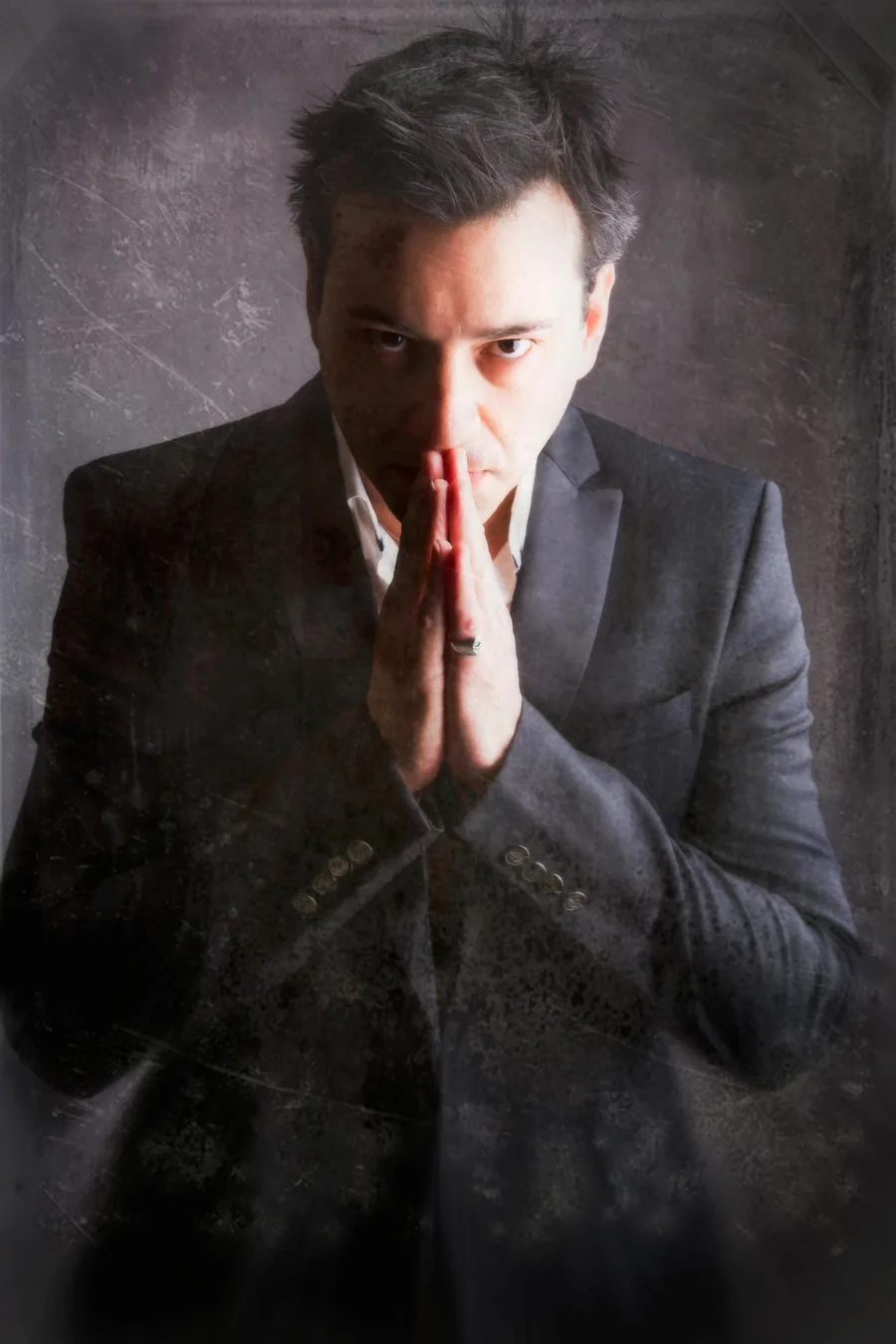
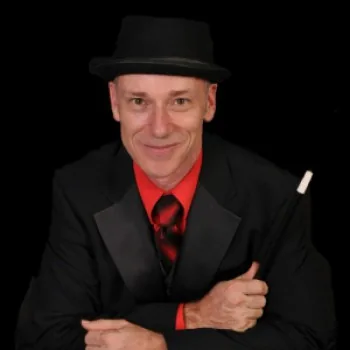
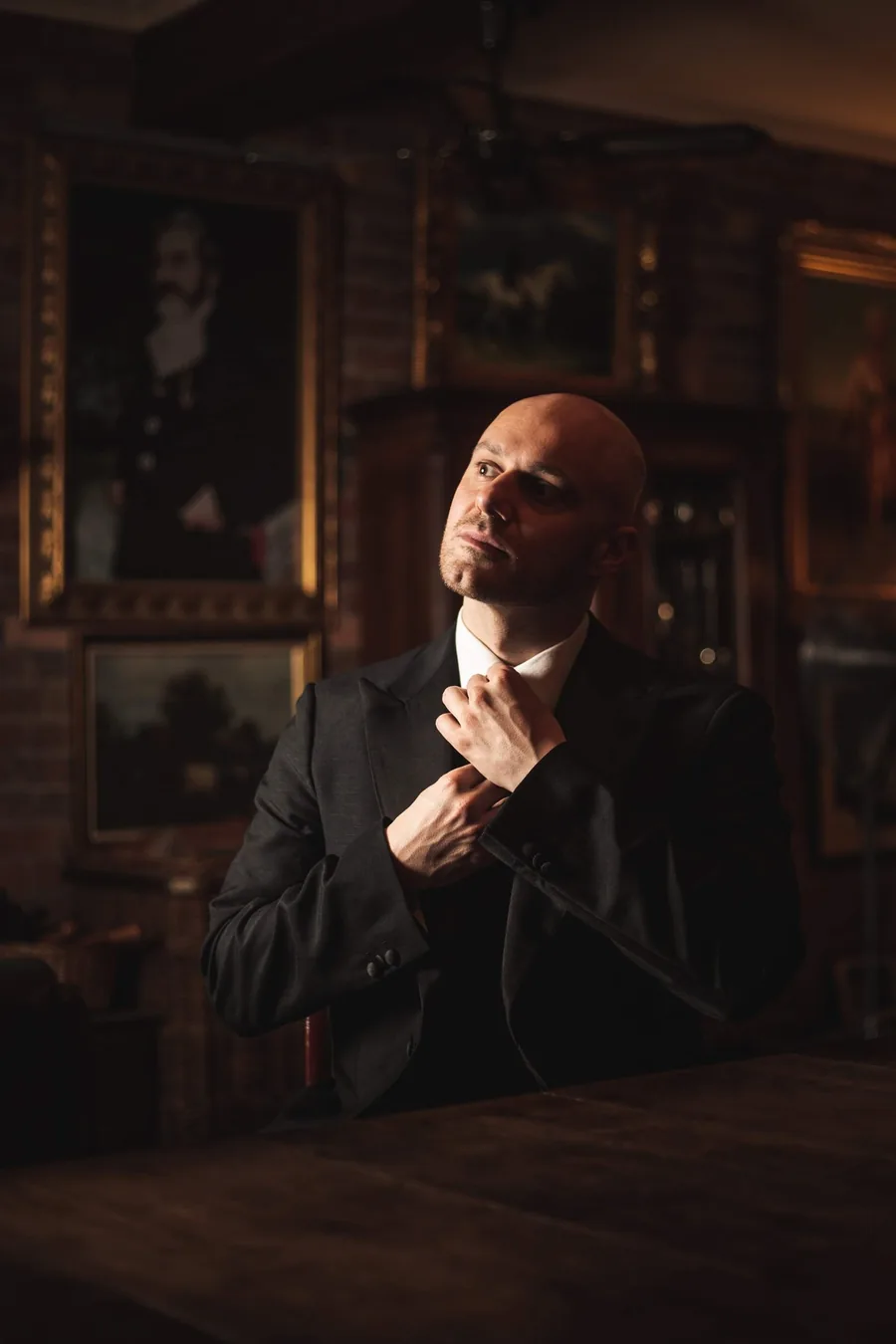
These acts suit a stand, a stage or a launch. Several are based interstate, and we handle the travel when the right act is not local.


Trade show entertainment FAQs
What entertainment works at a trade show stand?
It depends on your stand size, the noise rules and how much floor you have. A roving act suits a small stand, a host suits a stand with a small stage, and a hosted game show or a format built around your brand suits a larger space. Tell us the show and the floor plan and we will shortlist formats that fit.
Can you build something around our brand?
Yes. We can build a bespoke interactive format around your brand and your goals, from an activity at the stand to a main stage activation. Game show rounds can be themed to your company and your branding can sit on screen, with full AV, setup, run and pack down included.
How long can entertainment run on a show day?
Roving works in hourly blocks, so you choose how many hours of the floor to cover. A Classic Game Show runs 45 to 60 minutes and The Feud runs 45 minutes. A corporate stage set is typically 30 minutes, sometimes 40 depending on the act.
How many people can a roving act cover?
About 70 guests an hour. If your stand expects more traffic than that, book more hours or add a second format, such as a host on a small stage.
Are the acts insured for exhibition venues?
Every act on the roster carries public liability insurance, and we handle the certificates as part of the booking. If a venue or client wants the certificate before confirming a date, we can supply it ahead of the event.
Do you book trade show entertainment outside Sydney?
Yes. An exhibition in Melbourne, Brisbane or another city is booked the same way as a Sydney show. If the perfect act is interstate, we bring them in and handle the travel, so give us the city and the bump in day as well as the show dates.
More corporate entertainment
Not sure who's right?
Take the finder or tell us about your show and we'll shortlist the right acts and check availability.
Find My Entertainment →Ask Us to Recommend